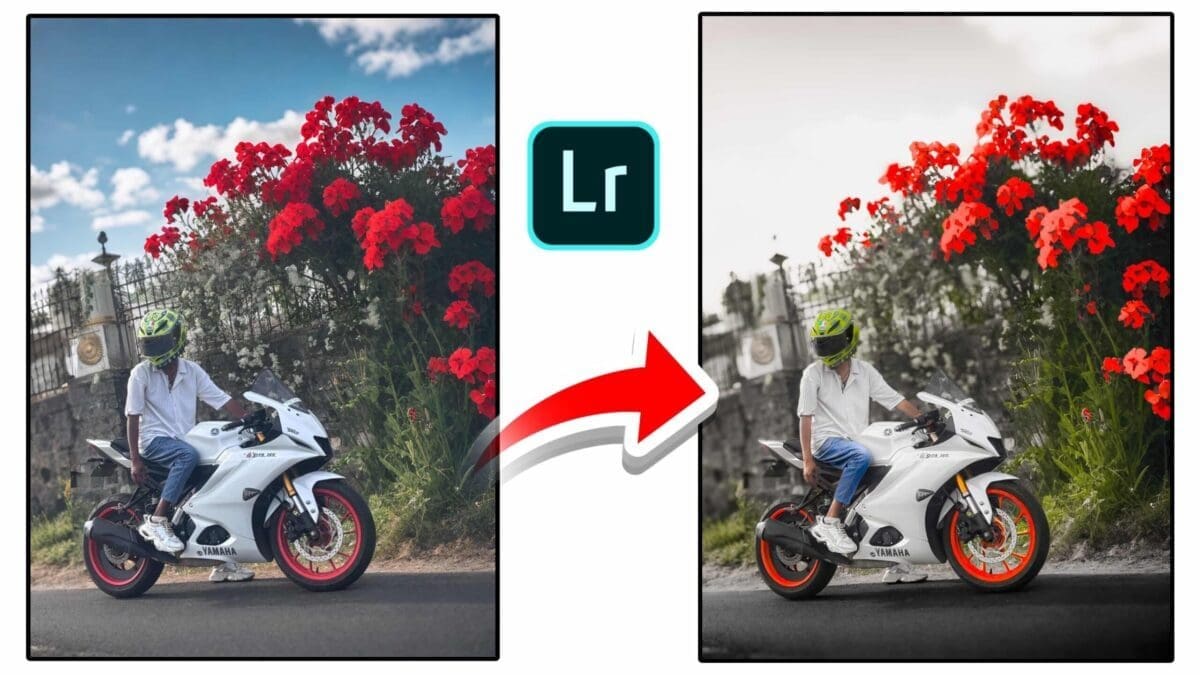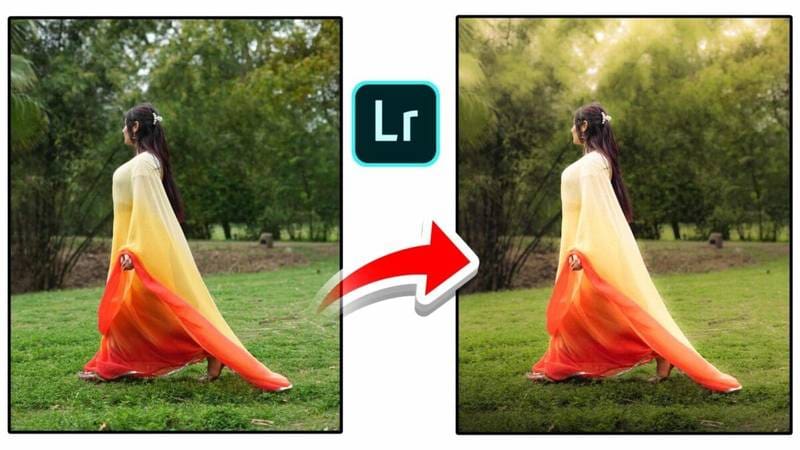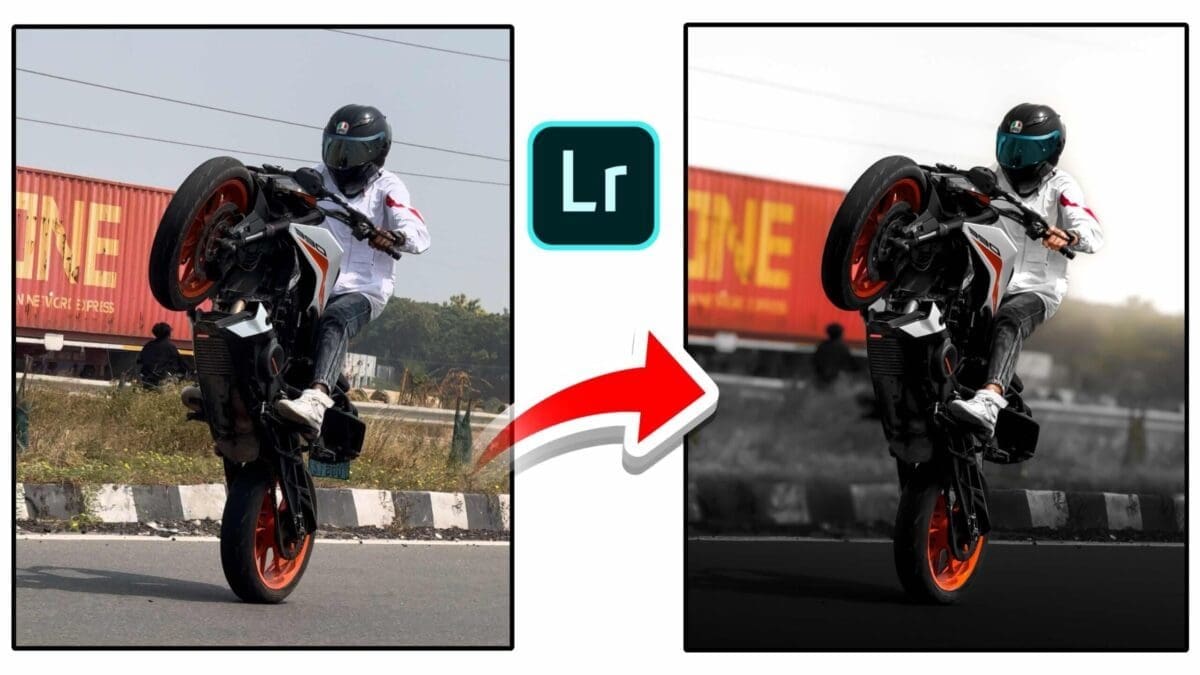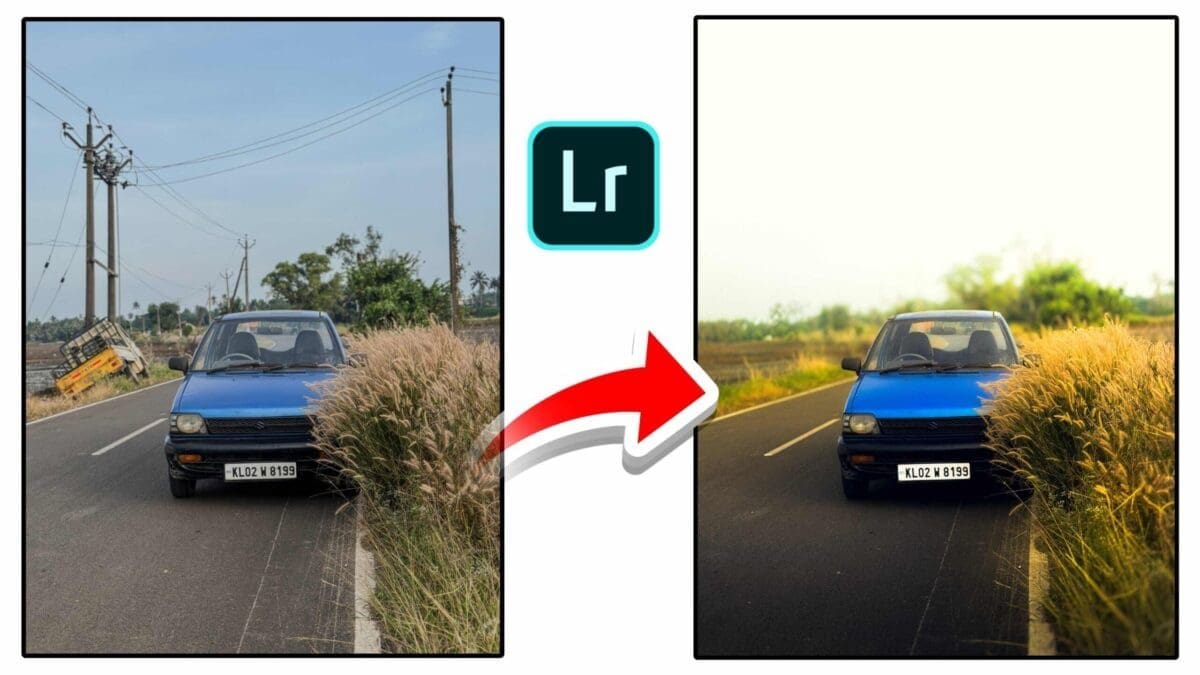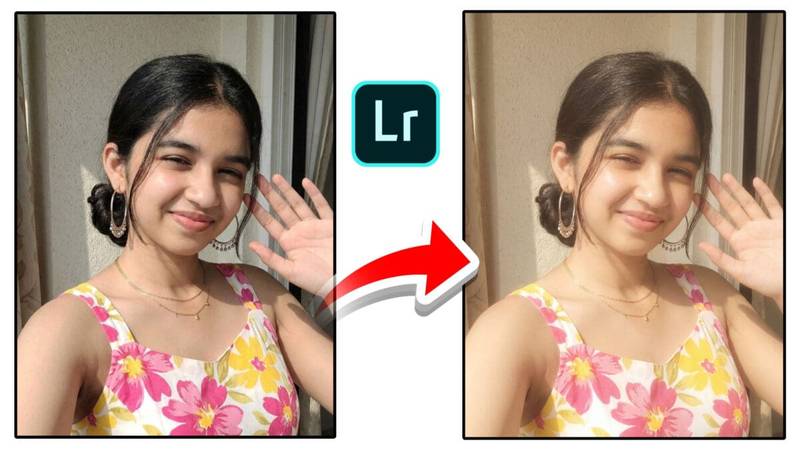
Bihar preset The Art of Natural Portrait Photography
Portrait photography is one of the most popular and expressive forms of photography. It focuses on capturing the personality, emotions, and beauty of a person through a photograph. Unlike landscape or product photography, portrait photography highlights human expressions and the natural details of the face. A well-taken portrait can tell a story and create a strong emotional connection with viewers.
Why Natural Portrait Photography is Popular
Natural portrait photography has become extremely popular in recent years. People prefer photos that look authentic and real rather than overly edited or artificial images. Natural lighting, genuine expressions, and minimal editing help create photographs that feel more personal and relatable.
When a portrait looks natural, viewers can easily connect with the emotion in the image. This is why many photographers prefer shooting portraits in natural light instead of using heavy studio lighting.
Importance of Lighting in Portrait Photography
Lighting is one of the most important factors in portrait photography. Good lighting highlights facial features and improves the overall quality of the image. Soft natural light is usually the best option because it creates a smooth and balanced look on the subject’s face.
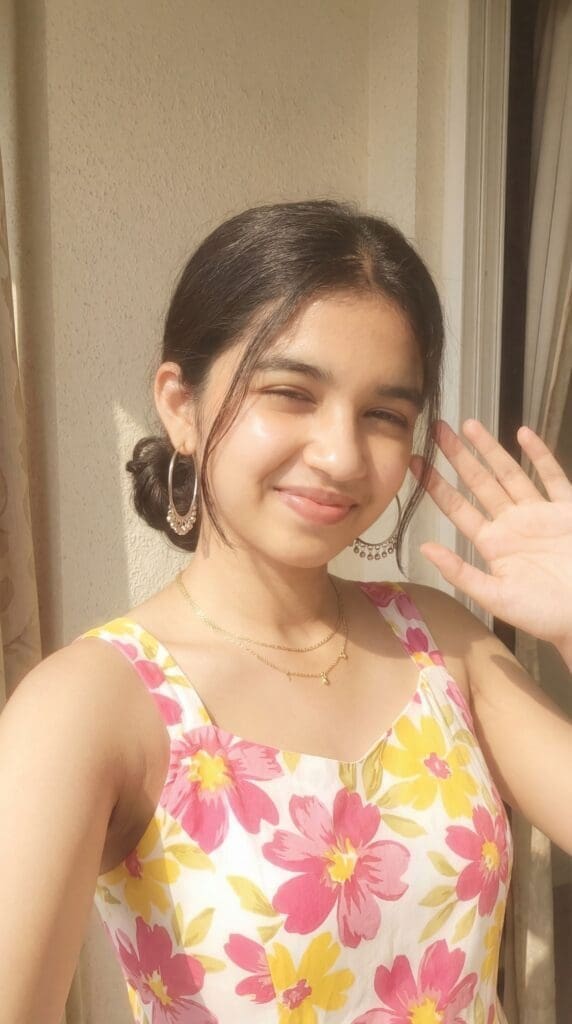
Warm Light Effect
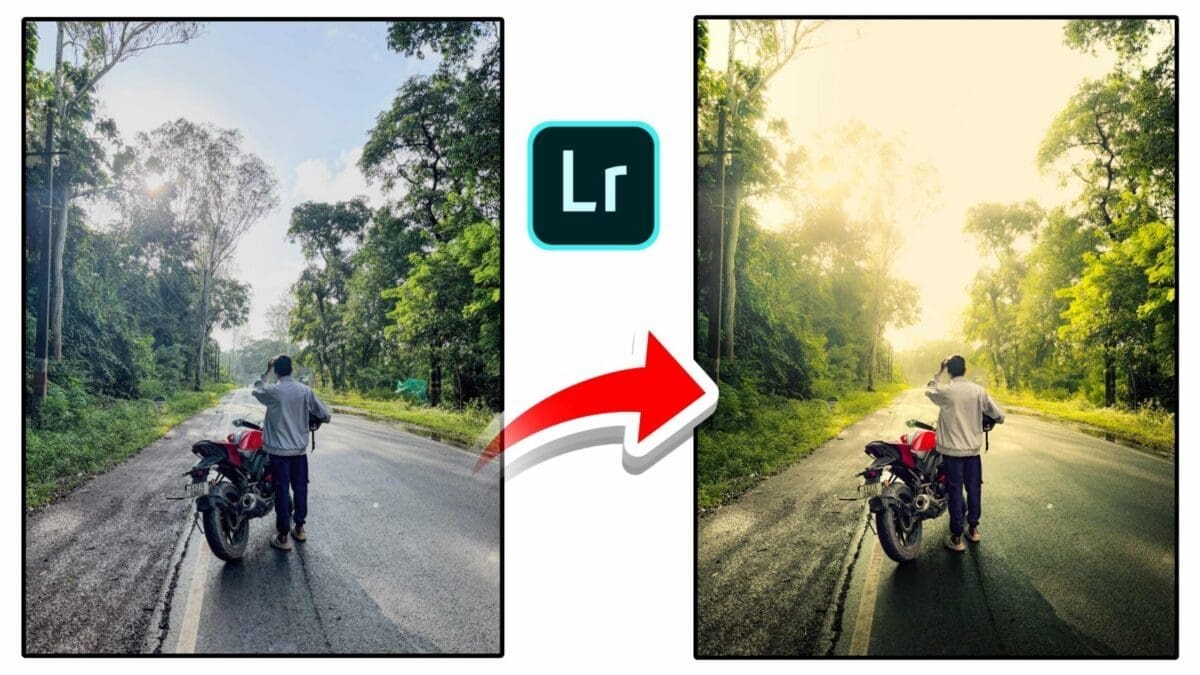
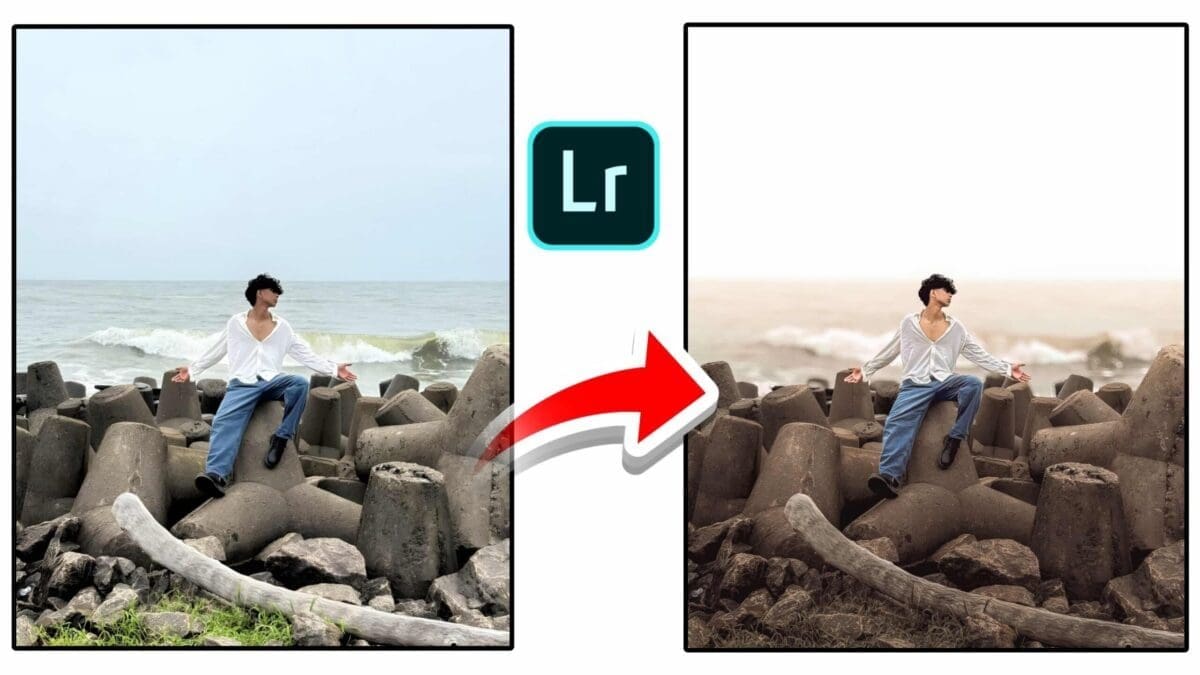
Warm lighting, especially during sunset or golden hour, creates a beautiful glow around the subject. This lighting style adds depth and softness to the photograph. It enhances skin tones and makes the overall image feel cinematic and emotional.
Soft Lighting for Better Skin Tone
Soft lighting helps reduce harsh shadows on the face. It allows the natural texture of the skin to appear smooth and realistic. This is why photographers often shoot portraits near windows or during early morning and evening hours.
Composition Techniques for Better Portraits
Composition refers to how the subject is positioned inside the frame. A good composition can dramatically improve the visual impact of a portrait. Close-up portraits are especially effective because they allow viewers to focus on the subject’s facial expressions.
Face Position and Angles
Small adjustments in head position or camera angle can make a portrait look more dynamic and natural. Slightly tilting the head or resting the chin on the hand can add personality to the image.
Rule of Thirds
The rule of thirds is a basic photography principle. Instead of placing the subject directly in the center, photographers place the subject slightly to the left or right side of the frame. This creates a more balanced and professional looking photograph.
The Role of Facial Expressions
Facial expressions play a major role in portrait photography. A natural smile can instantly make a photograph more engaging. Genuine emotions help create a connection between the subject and the viewer.
When the subject feels comfortable and relaxed, their expressions become more authentic. This authenticity is what makes natural portrait photography so powerful and memorable.
Clothing and Accessories in Portrait Photography
Clothing and accessories also influence the visual style of a portrait. Simple yet elegant clothing works best because it does not distract from the subject’s face. Traditional accessories like earrings, bracelets, or cultural outfits can add uniqueness and character to the photograph.
Importance of a Simple Background
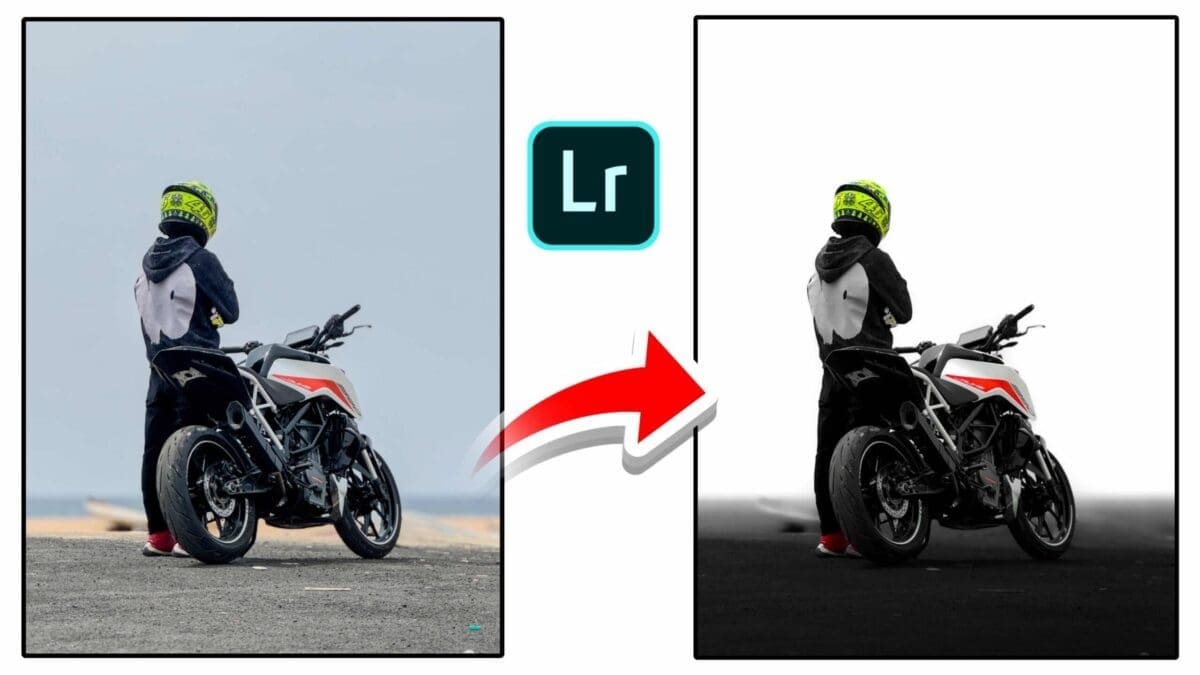
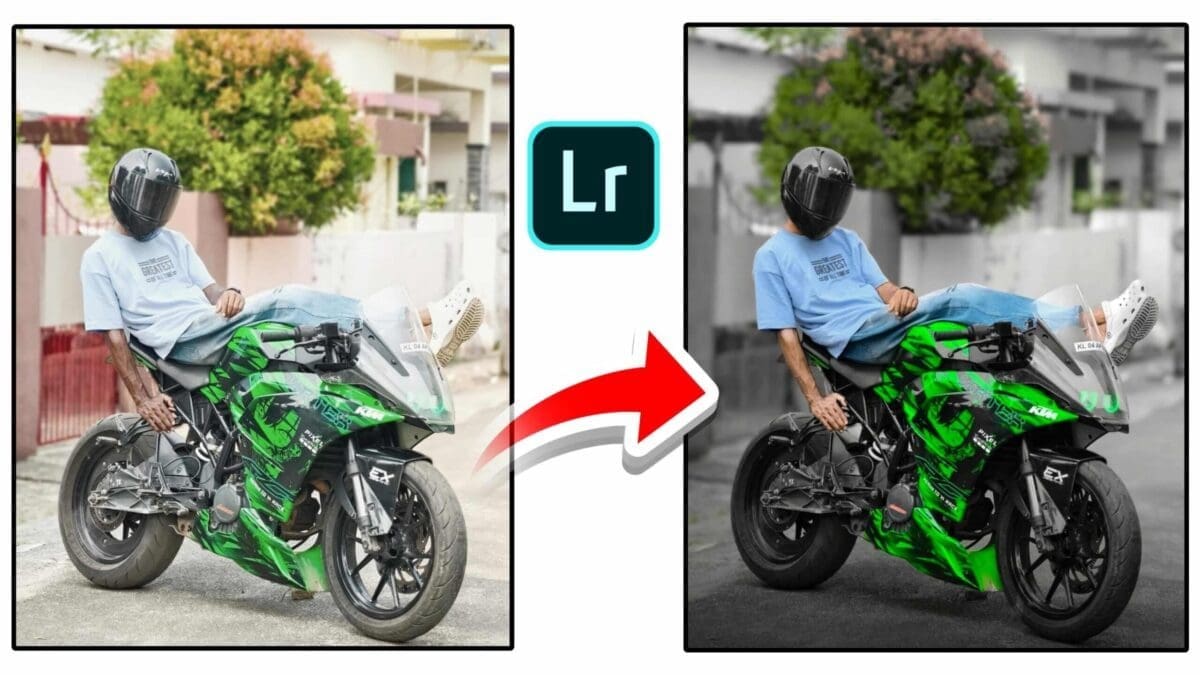
A clean and simple background helps keep the focus on the subject. Dark or blurred backgrounds are often used because they make the face stand out more clearly. When the background is not distracting, viewers can easily focus on the subject’s expression and emotions.
Camera and Lens for Portrait Photography
Professional photographers often use lenses with wide apertures such as f/1.8 or f/1.4. These lenses create a shallow depth of field, which blurs the background while keeping the subject sharp. This effect gives portraits a professional and cinematic look.
Even modern smartphones now include portrait mode features that simulate this effect, making high-quality portrait photography accessible to everyone.
Conclusion
Portrait photography is more than just taking a picture of someone’s face. It is about capturing emotion, personality, and natural beauty. With proper lighting, good composition, authentic expressions, and a clean background, photographers can create portraits that feel both artistic and real.
Natural portrait photography continues to grow in popularity because it celebrates authenticity. Instead of focusing on heavy editing, it highlights the true beauty of the subject and preserves moments in a timeless way.